Rice projects often use 5 kg, 10 kg, 25 kg and 50 kg bags. The selected bag structure should match the actual filled weight and how the bags will be moved, stacked and shipped.

Rice packaging needs more than a workable bag size. Buyers usually review transport strength, moisture protection, brand presentation, packing method and destination market expectations before deciding on the final bag structure.
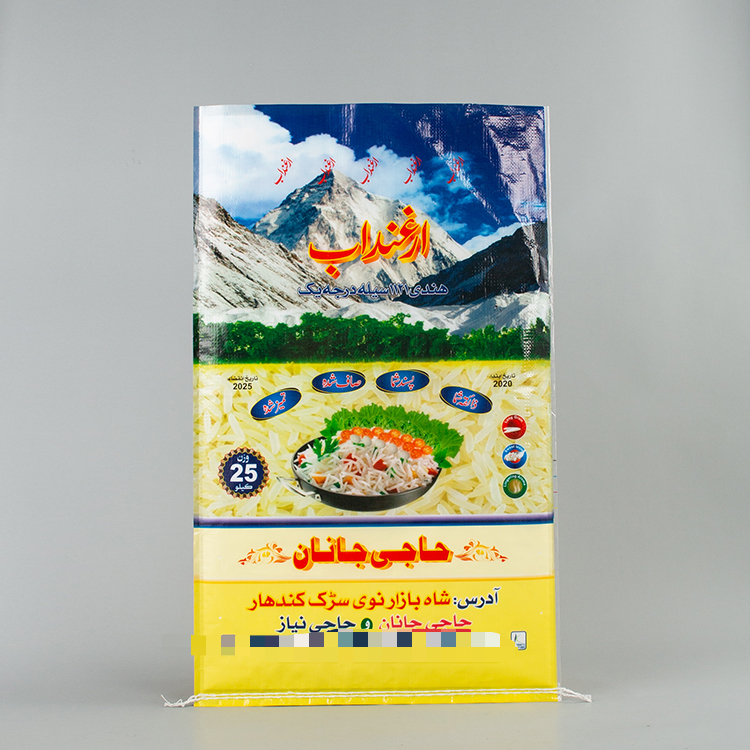
These five points are the most common checkpoints when planning rice bag orders for wholesale, retail and export distribution.
These five points are the most common checkpoints when planning rice bag orders for wholesale, retail and export distribution.
Rice projects often use 5 kg, 10 kg, 25 kg and 50 kg bags. The selected bag structure should match the actual filled weight and how the bags will be moved, stacked and shipped.
Depending on route and storage conditions, buyers may need PE liner support or another inner protection option. This becomes more important in humid transport and warehousing conditions.
For branded rice bags, front panel layout, product information and clear color reproduction are part of the buying decision. Good print presentation supports product positioning on the shelf.
Bag packing method, bale size and loading arrangement all influence how bags arrive at destination. These details should be reviewed before final quotation and order confirmation.
Some markets prefer laminated branded rice bags, while others may prioritize simple woven bags with practical cost control. Market positioning should guide the final structure choice.
Send us your bag size, filling weight, material request, printing artwork and estimated quantity. We will help review the details and provide a practical quotation.